

Lower Costs and Deliver More Care
What we will do:

A Wait-List Guarantee
What we will do:
A Regional Healthcare Guarantee
What we will do:
Cut Bureaucracy and Duplication
What we will do:
Emergency Services
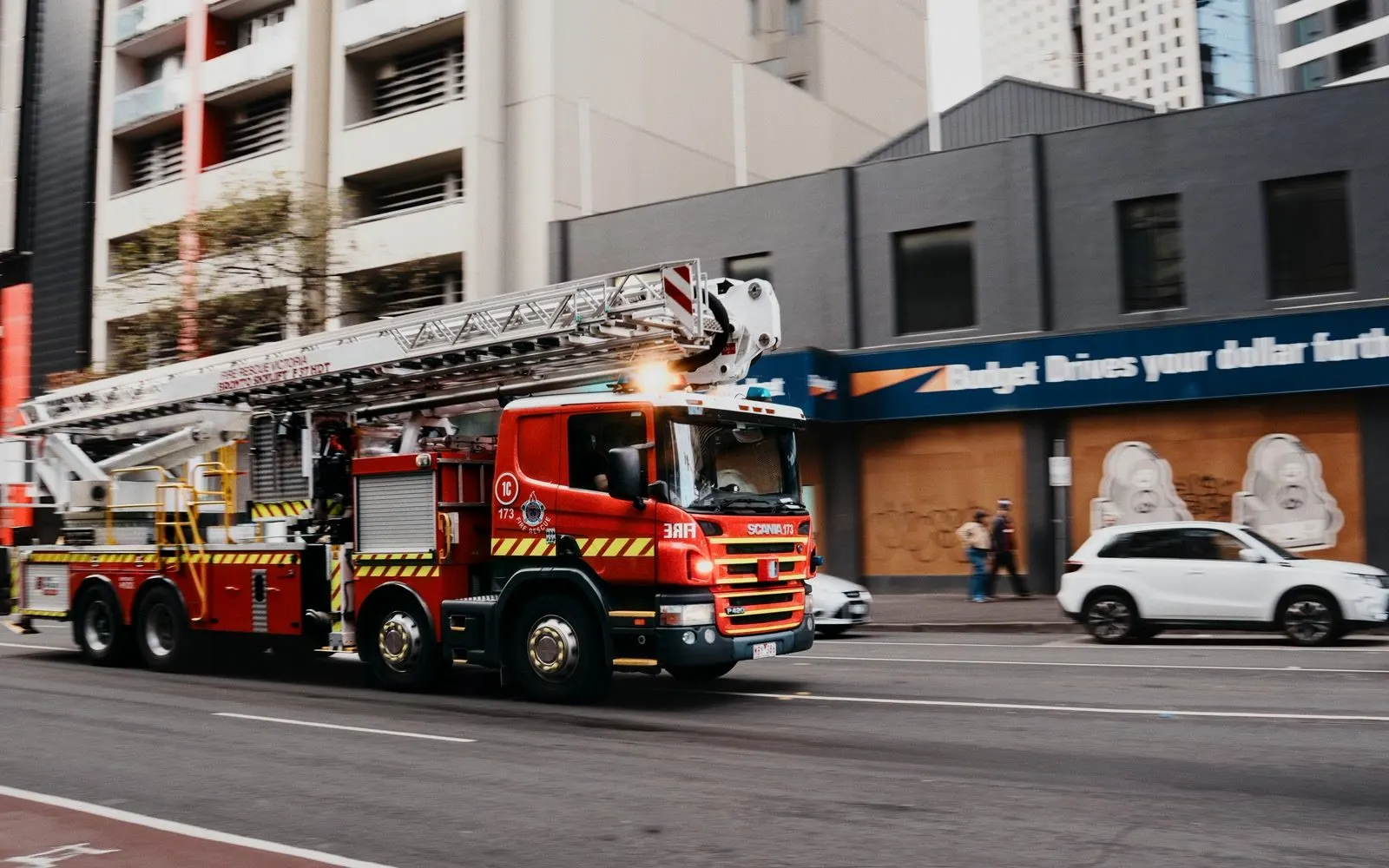
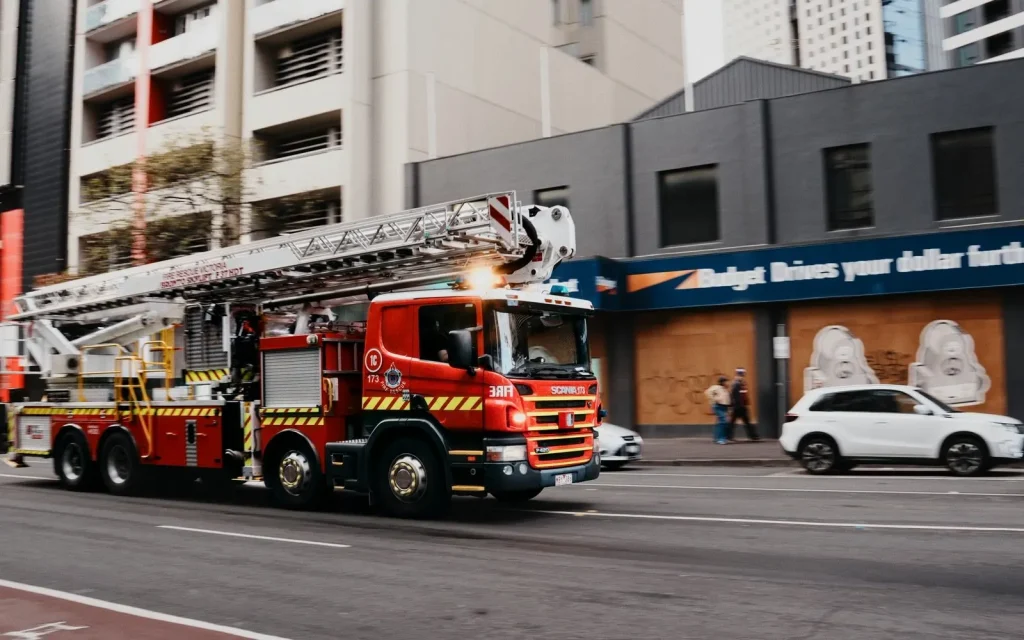
Firefighters do some of the most dangerous and essential work in Victoria. They run towards fires, accidents and emergencies that the rest of us run from. They put their lives on the line to protect people, homes and communities.
That work depends on reliable equipment. Fire trucks have a defined service life for a reason. After a certain age, parts become harder to source, technology falls behind, and the risk of breakdowns rises. Victoria has been running too many of these trucks well past that point and hoping they keep working.
When the trucks are old, the danger falls directly on the firefighters inside them and on the communities waiting for help. Breakdowns, reduced capability and outdated technology cost time, and in a fire, time costs lives. Giving firefighters a modern, reliable fleet is the bare minimum required to do the job safely.
What we will do:
Organ Donation
Recording a donor wish on a Victorian driving licence stopped in the early 2000s. Only 23% of eligible Victorians are now on the Australian Organ Donor Register. South Australia kept the licence pathway. There, 74% are registered, more than three times Victoria’s rate, and more than double the national figure of 35%.
Many Victorians still think the old licence tick is how you join. It is not, and some of those historic ticks were never transferred. The only record hospitals check is the national register.
The process should be one step. At the licence counter, or online with VicRoads or Service Victoria, you are asked if you want to be a donor. A yes is lodged on the Australian Organ Donor Register there and then — the same national record used in every state. No second form. No separate website. No waiting to be transferred. You can also say no, name which organs you will give, or take yourself off later.
Registration is not donation: the family is still asked. Families say yes about eight times in ten when the person is registered, and about four times in ten when they are not registered and nobody knows what they wanted.
What we will do:
The system will be judged on results, how quickly people are treated and whether they can get care close to home, not on the size of its corporate structure. One Nation will deliver a health system that works for patients, not for bureaucrats.