
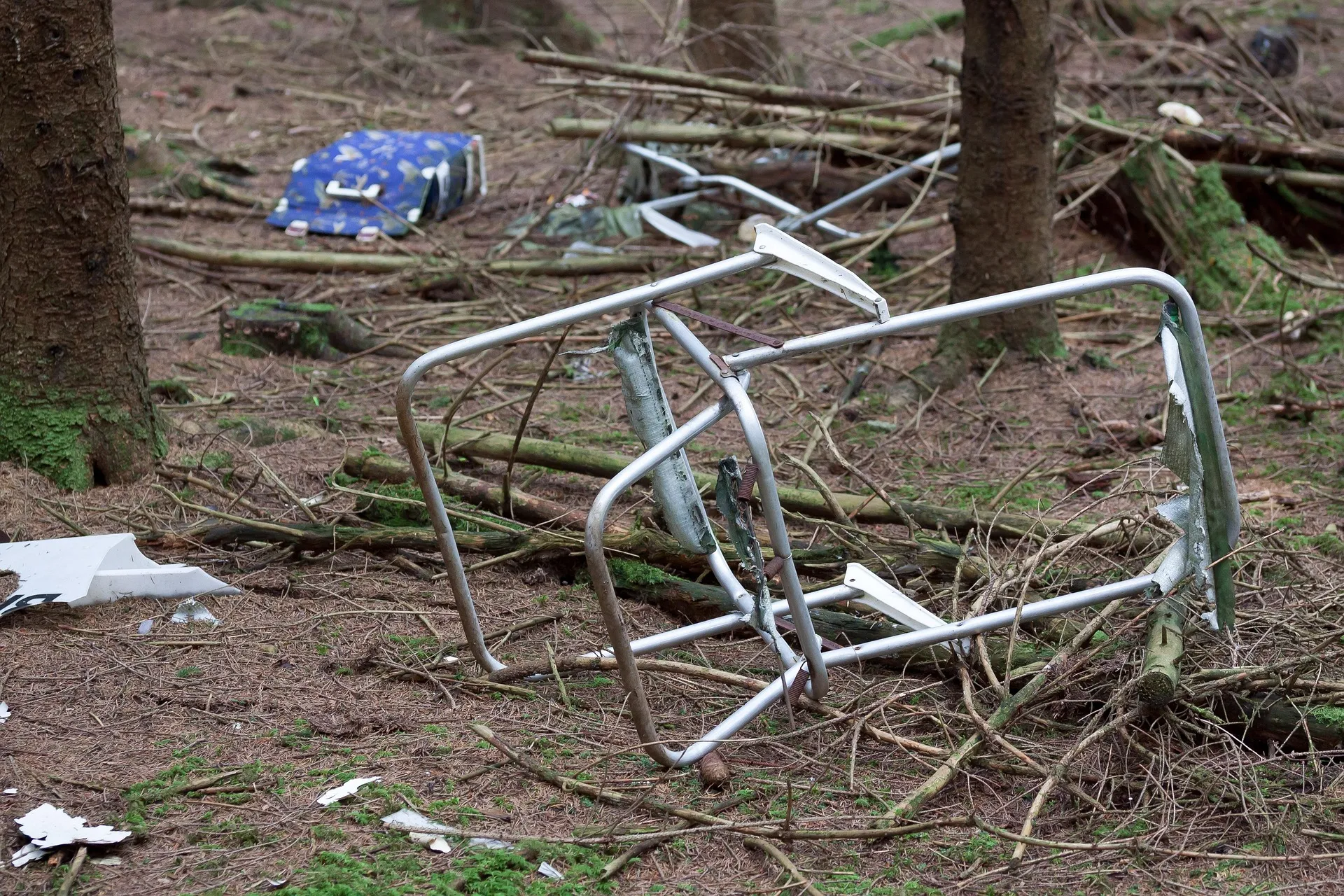
Illegal dumping is becoming a massive problem in Victoria, and this Labor government has let it get out of control. Household and commercial waste is being dumped on roadsides, in bushland, and in industrial areas, and councils and ratepayers are left footing the bill for cleanup that often costs more than the fine imposed, if the perpetrators are caught at all.
The Problem
Illegal dumping is estimated to cost Victorians over $100 million per year:
Current fines are too low to deter offenders. A ute-load of legal disposal costs around $200; the typical EPA fine is about $2,000. A business saving $150,000 to $200,000 a year in tip fees might cop a few tens of thousands in fines, if they get caught at all. Dumping is still profitable.
- In 2024 a Wollert man was fined $10,000 for dumping 11,000 tonnes of contaminated soil at a Melbourne fringe site, leaving the City of Whittlesea with a $3 million cleanup bill. The fine was 300 times less than the damage.
- Mitchell Shire collected $85,000 in fines against a $253,830 cleanup bill in 2025 to 26. Fines covered only a third of the cost.
- One of Victoria's worst dumpers was fined $60,000 in July 2026, with cleanup of the site expected to exceed $1 million. The fine was 17 times less than the cost.
- Hume City Council spends up to $5 million a year on illegal dumping and received just $6,000 back from the state in the most recent financial year, about one-tenth of one percent.
- The EPA held 270 waste crime offenders to account in 2025 to 26, yet a waste industry source estimates the EPA catches only about 1% of dumpers.
What we will do
- Cost-recovery fines and full cleanup liability.
- Individual first offence: $5,000 plus the full cost of cleanup and disposal.
- Repeat: doubled to $10,000 plus cleanup.
- Third offence: tripled to $15,000 plus cleanup and vehicle impoundment.
- Commercial first offence: $100,000 plus full cleanup cost.
- Repeat: $200,000.
- Third: $300,000 plus impoundment.
- Identified dumpers are liable for the full cost of removal and disposal on top of the fine, and a mandatory cleanup order applies in every case.
- Strengthen enforcement and reporting. Give councils and authorised officers greater powers to investigate and pursue offenders. Establish a simple, well-publicised reporting mechanism with guaranteed follow-up.
- Target commercial waste and support legitimate disposal. Require commercial operators to demonstrate lawful disposal. Expand free or low-cost disposal options for households, particularly in regional areas.
- Surveillance cameras. Install CCTV in known dumping hotspots, with footage used to identify and prosecute offenders.
Responsibility
The current split is ambiguous and broken. Councils manage local roads, parks and reserves and issue on-the-spot fines of $300 to $2,000, but the state sets the penalty framework and funds only a fraction of the gap. Moorabool Shire was left with a $500,000 cleanup bill imposed by the EPA, and Hume got $6,000 back on $5 million spent.
Under this policy:
The principle is simple: the level of government that manages the land bears primary responsibility, but the state sets the penalty framework and funds the gap.
Dumping is not acceptable in Victoria. It should never be more expensive to do the right thing than to do the wrong thing.