
-
TAKE ACTION
-
NEWS AND EVENTS
-
ABOUT US
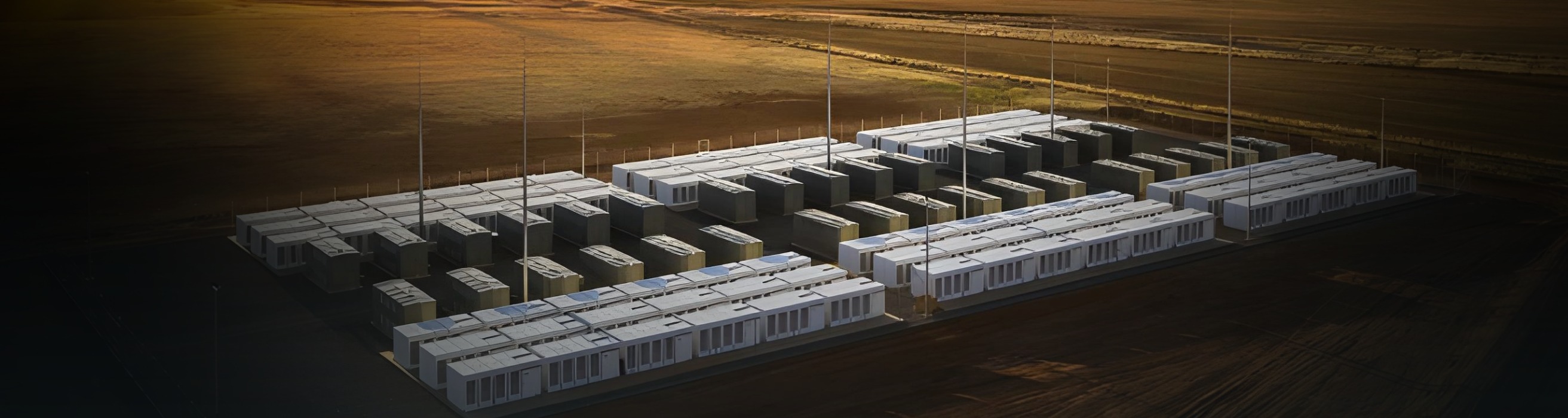
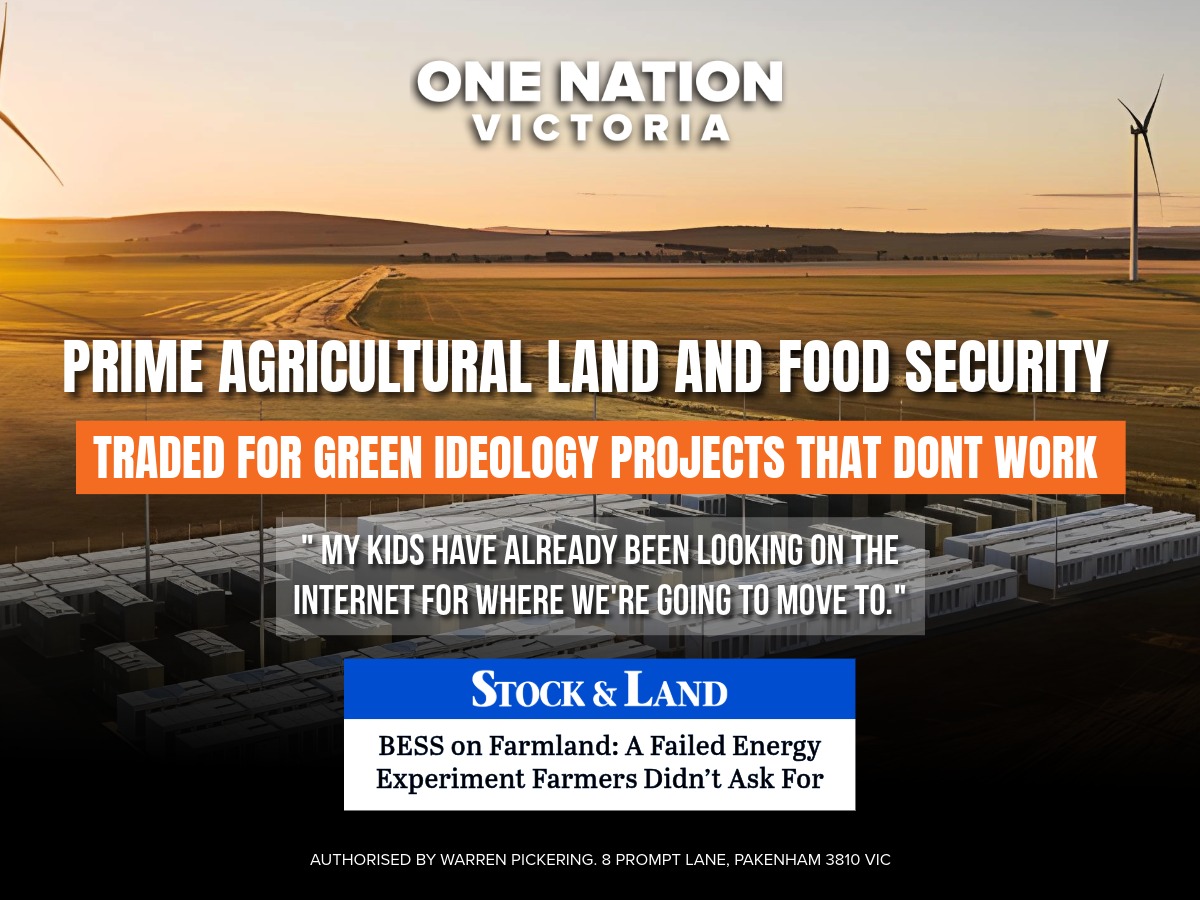
BESS on Farmland: A Failed Energy Experiment Farmers Didn’t Ask For
Victoria’s farming communities are being told to sacrifice productive land for renewable energy projects that increasingly fail to deliver what was promised.
Large-scale Battery Energy Storage Systems (BESS) are now being pushed into Farm Zones under the claim they are essential for a reliable, affordable and clean energy future. Yet despite billions in public and private investment, electricity prices continue to rise, grid reliability remains fragile, and regional communities are paying the price — literally and figuratively.
The uncomfortable truth is this: BESS does not generate power. It merely stores excess energy when conditions are right and releases it briefly when they are not. That means batteries are only as effective as the intermittent wind and solar systems they depend on — systems that routinely underperform during peak demand, heatwaves and extreme weather.
Even by government and industry data, most grid-scale batteries provide minutes to a few hours of backup, not the sustained power required to support households, agriculture or industry. Yet farmers are being asked to permanently give up prime land for infrastructure that offers limited reliability, questionable lifespan, and unclear end-of-life outcomes.
Add to this the risks: fire incidents linked to lithium-ion batteries, land sterilisation, noise, visual intrusion, insurance complications and falling property values. These impacts are real, long-term and borne locally — while the benefits are abstract, intermittent and often exported elsewhere.
What’s most alarming is how little farmers’ voices matter in the process. State-led planning pathways routinely override Farm Zone protections, fast-tracking projects while treating consultation as a box-ticking exercise. Landholders are expected to trust modelling and projections, even as real-world results continue to fall short.
If renewable energy and big batteries were genuinely delivering cheaper, more reliable power, the case might be different. But the data doesn’t support the disruption being imposed on farming communities.
Victoria cannot undermine food security, regional economies and productive land for energy solutions that remain unproven at scale and unreliable by design.
Farmers aren’t obstructing progress — they’re questioning an experiment that’s failing, and demanding the right to protect the land that actually sustains us.
Do you like this page?